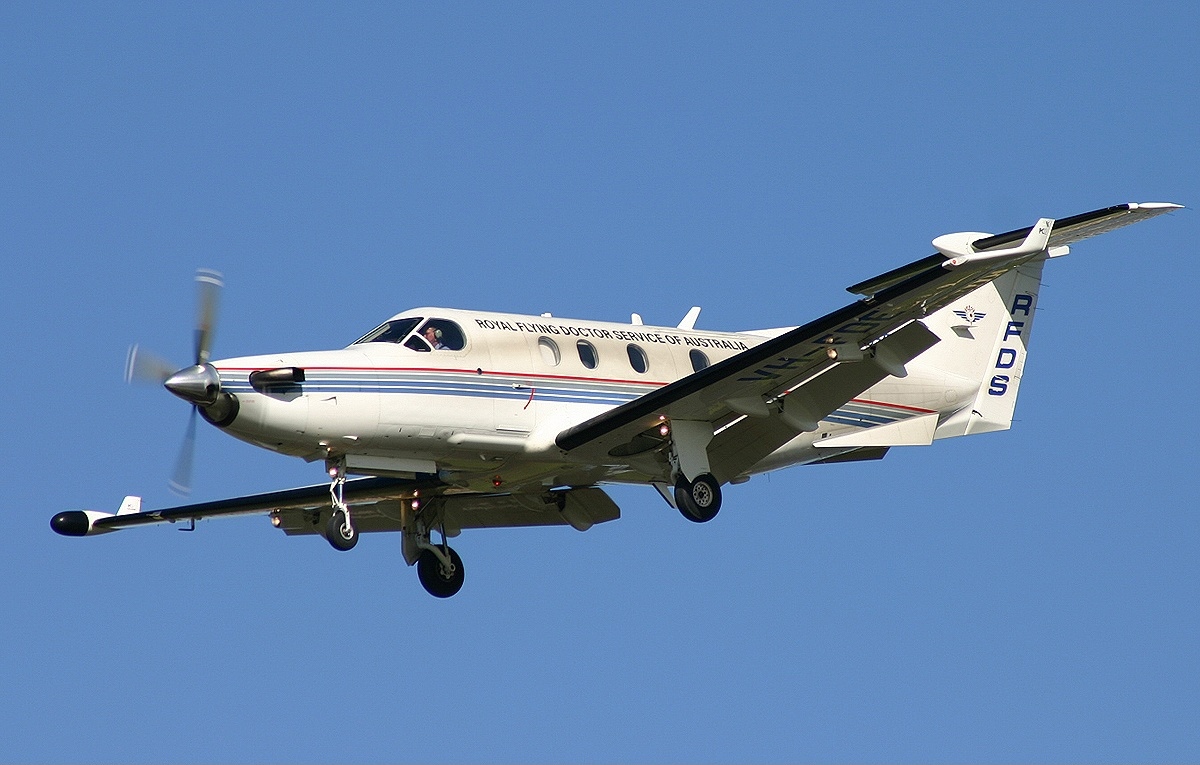
In the dynamic world of general aviation, few aircraft embody versatility, reliability, and innovation quite like the Pilatus PC-12. Since its debut in 1991, this Swiss-engineered single-turboprop powerhouse has redefined what a business jet alternative can achieve, blending executive comfort with rugged utility. As of October 2025, with over 2,000 units delivered and more than 10 million flight hours logged, the PC-12 continues to dominate the turboprop market. 4 Its ability to operate from short, unprepared runways—think grass strips in the Australian Outback or gravel in the Kenyan savanna—makes it a favorite among private owners, corporate fleets, and even military operators. With the recent introduction of the PC-12 PRO, Pilatus is pushing boundaries further, integrating advanced avionics and enhanced ergonomics for a new era of productivity. In this article, we dive into the PC-12’s storied history, cutting-edge features, specs, applications, and what’s next for this aviation icon.
A Legacy of Swiss Precision: History and Evolution
Pilatus Aircraft, founded in 1939 in Stans, Switzerland, has a rich heritage in building durable, high-performance planes, from gliders to military trainers. The PC-12 project kicked off in the late 1980s as a response to the demand for a cost-effective, multi-role turboprop that could rival jets in utility without the fuel-guzzling drawbacks. 9 The first flight occurred in June 1991, and certification followed swiftly, with deliveries starting in 1994.
The original PC-12 quickly gained traction for its pressurized cabin and impressive short-field performance. By 2008, the PC-12 NG (Next Generation) arrived, boasting upgraded engines, avionics, and a five-bladed propeller for better climb rates and efficiency. The NGX variant, introduced in 2019, refined this further with a more powerful Pratt & Whitney PT6A-67P engine and Garmin G3000 avionics suite, extending range and speed. 2
Fast-forward to 2025, and Pilatus unveiled the PC-12 PRO, a “progressive, proven, professional” evolution that emphasizes refined interiors and smart tech integration. 0 This latest model builds on the NGX platform, incorporating the Advanced Cockpit Environment (ACE) powered by Garmin G3000 Prime for seamless pilot interfaces and predictive maintenance alerts. It’s no wonder the PC-12 family has become a global benchmark, with production rates steady and resale values holding at 100% of original purchase prices in early 2025. 3
Key Features: Comfort Meets Capability
What sets the PC-12 apart is its Swiss-engineered fusion of luxury and ruggedness. The cabin, configurable for up to nine passengers (or cargo in a pinch), offers full-recline seats, optimized backrests, and generous headroom—perfect for transcontinental hops without the jet-set price tag. 0 Premium materials and ambient lighting in the PRO variant elevate the experience, while large windows and a flat-floor design ensure a jet-like feel.
On the performance front, the PC-12 thrives in diverse environments. Its trailing-link landing gear and high-flotation tires handle everything from paved runways to snow-covered strips, with a takeoff distance of just 2,485 feet at sea level. 0 The five-bladed Hartzell propeller and autothrottle system provide smooth, quiet operation, and the aircraft’s low operating costs—around $1,000 per hour—make it accessible for owner-pilots. 1
Safety is paramount, too. The PC-12 boasts an impeccable record, with features like envelope protection, synthetic vision, and emergency autoland capabilities in newer models. It’s certified for single-pilot operations, yet scalable for crews, appealing to everyone from solo adventurers to charter services.
Technical Specifications: Power and Efficiency at a Glance
The PC-12’s specs read like a dream for efficiency-minded aviators. Here’s a breakdown of the current PC-12 NGX/PRO benchmarks: Category Specification Engine Pratt & Whitney Canada PT6A-67P (1,200 shp) Max Cruise Speed 290 KTAS (537 km/h) Range 1,765 nm (3,268 km) with 4 passengers Service Ceiling 30,000 ft Takeoff Distance 2,485 ft (758 m) Landing Distance 2,220 ft (677 m) Max Takeoff Weight 10,450 lbs (4,740 kg) Useful Load 3,976 lbs (1,804 kg) Fuel Capacity 402 US gal (1,521 L) Cabin Dimensions Length: 17 ft; Width: 5 ft; Height: 4.8 ft
These figures enable nonstop flights from London to New York or Sydney to Singapore, all while sipping fuel at rates 30-40% lower than comparable jets. 5 7 The PT6A’s flat torque curve ensures reliable power from sea level to altitude, and the aircraft’s all-composite prop and advanced wing design minimize drag for optimal efficiency.
Mission Versatility: From Boardrooms to Battlefields
The PC-12’s chameleon-like adaptability is its superpower. In the private sector, it’s a corporate shuttle for executives zipping between regional hubs, or a family hauler for weekend getaways to remote lodges. Charter operators love its quick turnaround—refuel in under 20 minutes—and ability to carry skis, bikes, or even a small car in cargo config.
Militarily, the PC-12 shines as the U-28A Draco for the U.S. Air Force Special Operations Command, modified for intelligence, surveillance, and reconnaissance (ISR) missions worldwide. 8 Other operators include the Australian and Canadian forces for utility roles. Humanitarian efforts, medical evacuations, and even Antarctic supply runs showcase its all-terrain prowess.
In 2025, the PC-12 PRO’s modular cabin is enabling new niches, like eco-tourism flights to hard-to-reach wildlife reserves or rapid-response logistics for disaster zones. Testimonials from users, like former HP exec Dion Weisler, rave about how it “opens new possibilities” for personal and professional travel. 0
Market Outlook and the Road Ahead
The PC-12 market in 2025 is robust, with pre-owned values stable and demand outpacing supply for low-time NGXs. 3 Pilatus reports steady orders, bolstered by the PRO’s launch, which includes sustainable touches like reduced-emission engines and recyclable interiors. Looking forward, expect integrations with electric-hybrid propulsion for shorter hops and deeper AI for predictive flight planning.
As aviation grapples with sustainability and accessibility, the PC-12 stands tall as a bridge between aspiration and reality. Whether you’re a CEO eyeing efficiency or a pilot chasing adventure, this turboprop isn’t just an aircraft—it’s a statement in smart, spirited flying. With Pilatus’ unwavering commitment to excellence, the PC-12’s story is far from over; it’s just revving up for the next horizon.